
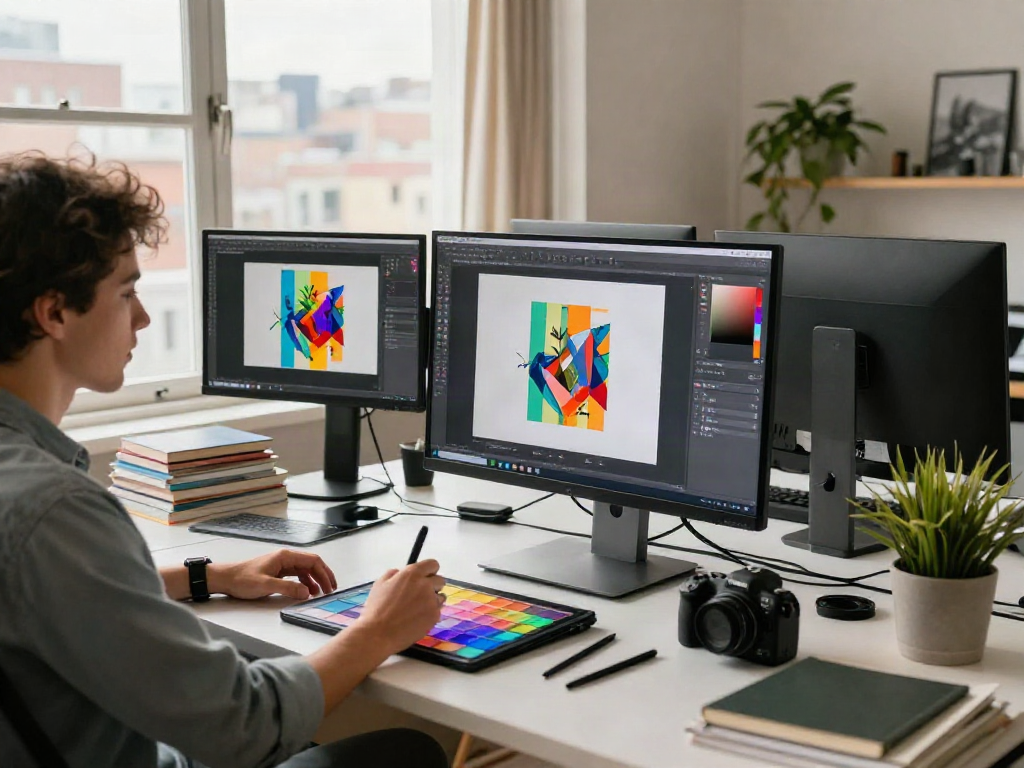
Understanding Image To Image Techniques
Image to image transformation is an innovative approach that redefines how we perceive and interact with visual art. By leveraging the power of technology, artists can now manipulate images in ways that were previously unimaginable. This technique harnesses algorithms and software to create variations or complete transformations of a given image while maintaining underlying artistic elements. To dive deeper into these groundbreaking methods, [Image To Image] provides comprehensive insights into various applications and techniques.
What is Image To Image Transformation?
Image to image transformation refers to a process where an input image is processed to generate a new output image with altered features that can include style, content, or both. This technique finds its roots in artificial intelligence, where models are trained on vast datasets to learn how to replicate or modify visual elements. At its core, it enables artists to push creative boundaries, allowing for unique interpretations of existing images.
Key Technologies Behind Image To Image
Several technological advancements have propelled the field of image to image transformation. These key technologies include:
- Convolutional Neural Networks (CNNs): Essential for understanding spatial hierarchies in images, CNNs extract features that help in image transformation.
- Generative Adversarial Networks (GANs): These consist of two neural networks—the generator and the discriminator—working in tandem to produce realistic images.
- Style Transfer Algorithms: These algorithms allow for the blending of styles from different images, enabling an artist to retain the subject while altering the aesthetic.
Real-World Applications of Image To Image
Image to image techniques have a wide range of applications across various industries, impacting fields such as:
- Advertising: Marketers utilize these transformations to create striking visuals that captivate audiences.
- Film and Animation: Artists can transform storyboards into fully realized scenes, enhancing the visual storytelling process.
- Fashion: Designers employ these methods to envision new patterns and styles from existing collections.
Comparing Traditional and Digital Methods
Pros and Cons of Traditional Art Techniques
Traditional art methods, such as painting and sketching, offer distinct advantages, including tactile experience and personal expression. Artists often find joy in the physical creation process, which can lead to a deeper connection with their work. However, these methods can be time-consuming, and replicating certain styles can be difficult without extensive practice.
Benefits of Digital Image To Image Methods
In contrast, digital image to image methods provide artists with tools for rapid experimentation and iteration. The ability to undo mistakes effortlessly or manipulate elements with precision fosters creativity. Additionally, digital methods allow for collaboration across distances and mediums, enabling artists to share their work easily.
Case Studies: Success Stories from Both Worlds
Numerous artists have successfully blended traditional and digital methods to create stunning works. For example, renowned artist David Hockney has embraced digital painting on tablets, showcasing how traditional styles can evolve with technology. Similarly, contemporary artist Refik Anadol has harnessed AI and image to image transformation to create immersive installations that challenge perceptions of space and art itself.
Challenges in Image To Image Transformation
Common Obstacle: Understanding Software Tools
The myriad of software options available for image to image transformation can overwhelm newcomers. Programs like Adobe Photoshop and GIMP offer powerful features, yet mastering them requires time and dedication. Users often struggle to utilize these tools effectively, which can stifle creativity.
Bridging the Gap: Skill Sets Needed
Artists transitioning from traditional to digital mediums face a steep learning curve. Essential skills include a solid understanding of digital interfaces, familiarity with various graphic software, and an openness to experimenting with new techniques.
Maintaining Artistic Integrity Across Mediums
One significant challenge artists encounter is maintaining their distinctive voice and integrity while adopting new tools. Balancing personal style with the capabilities of software is crucial to ensure that the essence of traditional art is not lost in transformation.
Best Practices for Mastering Image To Image
Advanced Techniques for Digital Artists
Digital artists aiming to master image to image techniques can adopt several advanced practices:
- Layering: Utilizing layers in software allows for non-destructive edits and complex compositions.
- Utilizing Filters: Filters can enhance textures and depth, providing a more immersive visual experience.
- Study Examples: Analyzing successful transformations can provide valuable insights and inspire original approaches.
Tips for Enhancing Traditional Methods
For traditional artists seeking to integrate digital techniques, consider incorporating digital sketches or prints into your practice. This hybrid approach can breathe new life into your work while preserving the integrity of your traditional methods.
Tools and Resources for Continuous Learning
To stay updated with the latest trends and techniques in image to image transformation, artists should explore online courses, webinars, and community forums. Platforms like Skillshare and Udemy offer extensive resources for both beginners and advanced artists alike.
The Future of Image To Image in 2026
Emerging Trends in Digital Art
The landscape of digital art is rapidly evolving, with image to image techniques at the forefront. Emerging trends include increased collaboration between AI and human artists, enabling new forms of expression and exploration. Furthermore, immersive technologies such as virtual reality are becoming integral to the creative process.
How AI is Shaping Image Transformation
AI is revolutionizing image transformation by providing artists with tools that can learn and evolve. As AI continues to advance, we can expect more intuitive software capable of interpreting artistic intent, leading to more personalized and unique transformations.
Predictions for Evolving Artistic Practices
Looking toward 2026, we anticipate a surge in hybrid art forms that seamlessly blend traditional and digital methods. Artists will likely prioritize sustainability within their practices, utilizing software that reduces waste and promotes ethical production.
What are the primary tools for Image To Image transformation?
Primary tools for image to image transformation encompass a variety of software applications. Popular options include Adobe Photoshop for comprehensive image editing, Corel Painter for mimicking traditional brushes, and specific AI-driven software like DeepArt and RunwayML that specialize in generating transformations based on user input.
How can beginners start with Image To Image techniques?
Beginners should start by familiarizing themselves with basic software functionalities through tutorials and online courses. Practicing simple transformations and gradually exploring more advanced features will build confidence and skill. Participating in online art communities for feedback and inspiration can also foster development.
What are the most common mistakes in Image To Image art?
Common mistakes include neglecting the importance of composition, overusing effects without consideration for balance, and failing to maintain consistency in style. Artists should focus on integrating transformations that enhance rather than detract from the original vision.
How do professionals evaluate Image To Image transformations?
Professionals assess transformations based on criteria such as originality, emotional impact, and technical execution. Successful image to image work resonates with viewers, prompting them to engage deeply with the visual narrative.
What is the impact of Image To Image on the art market?
The art market is witnessing a shift as image to image techniques gain popularity among collectors and galleries. This evolution opens up new avenues for investment in digital art forms and challenges traditional perceptions of value in art.